
Outpatient Addiction Treatment Programs
Standard outpatient treatment offers flexible addiction care while you maintain work, school, and family responsibilities. With regular counseling sessions (typically 1-9 hours weekly), outpatient programs provide ongoing support for motivated individuals with stable environments and strong support systems.
Found 22 standard outpatient treatment centers across the United States.
Need Help Finding the Right Treatment Center?
Speak with a compassionate specialist now - 100% free & confidential
Showing 2 of 22 standard outpatient treatment centers
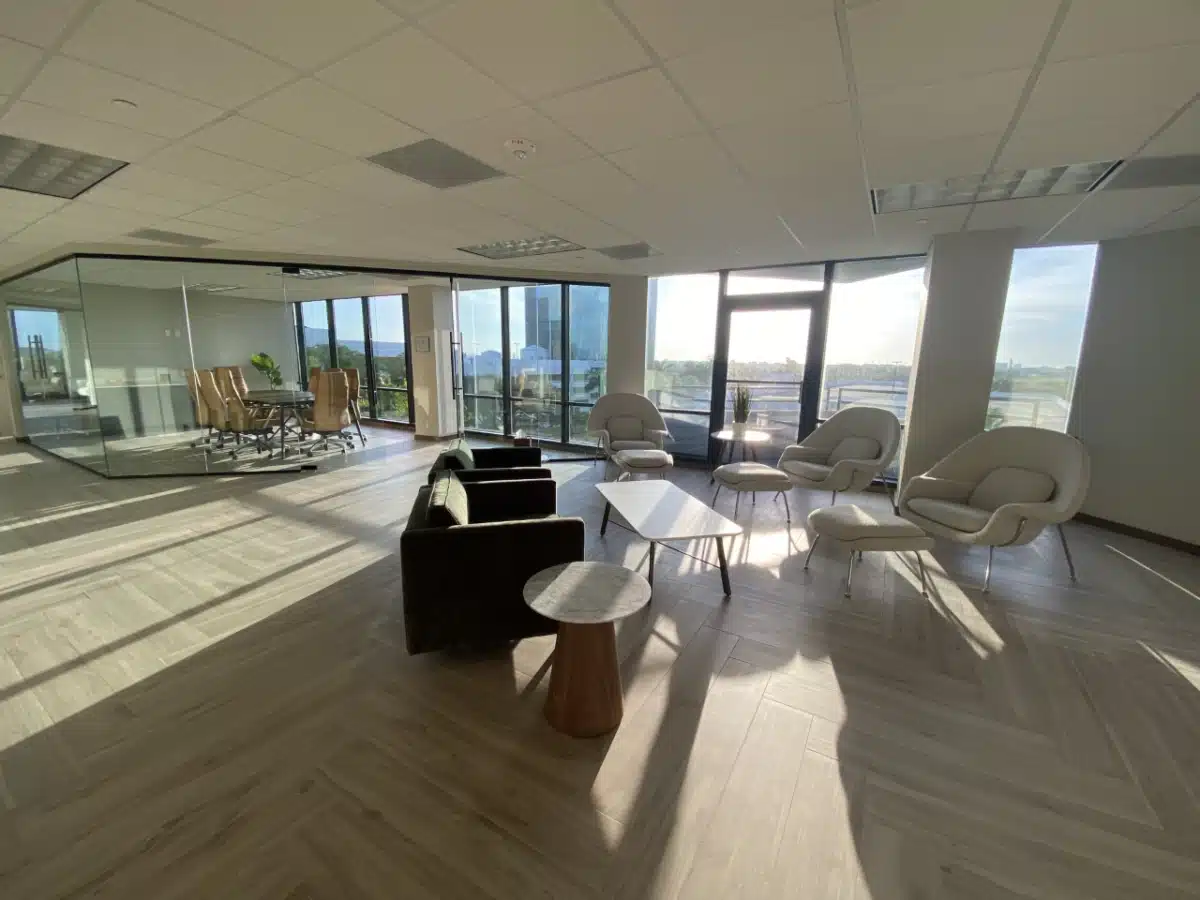
Telstone IOP, located in West Palm Beach, FL, provides a range of treatment options, including intense outpatient and standard outpatient programs for those dealing with substance use issues. The facility utilizes methods such as cognitive behavioral therapy, motivational interviewing, and relapse prevention strategies, with a particular emphasis on supporting clients who have experienced trauma. Catering to both adult and young adult populations of all genders, Telstone IOP aims to create a nurturing atmosphere that prioritizes individualized care. By offering various types of treatment, the center is committed to assisting individuals as they navigate their recovery journey.

Turning Point of Tampa is a rehabilitation facility located in Tampa, FL, that provides a wide array of treatment services designed to address the unique needs of each individual. The center specializes in detoxification and substance use treatment and offers targeted care for individuals dealing with both substance use disorders and serious mental health conditions. Clients can access various treatment options, such as intensive outpatient programs, long-term residential care, and standard outpatient services, accommodating adults and young adults across all genders. The facility employs a range of therapeutic approaches, including 12-step facilitation, anger management strategies, and brief intervention techniques, to enhance the effectiveness of its programs. Turning Point of Tampa also features specialized initiatives for adult men, adult women, and individuals who have experienced sexual abuse. By prioritizing high-quality care and crafting personalized treatment plans, the center strives to support clients throughout their recovery journey.
Frequently Asked Questions
About Standard Outpatient
Standard outpatient treatment provides addiction counseling and therapy while you maintain normal daily life - living at home, working, attending school, and fulfilling family responsibilities. This flexible approach typically involves 1-9 hours of treatment weekly, offering ongoing support for motivated individuals with stable environments and strong support systems.
Who Succeeds in Outpatient Treatment
Outpatient care works well for:
- Mild to Moderate Addiction: Without severe physical dependence or medical complications
- Completed Detox: If physical dependence existed, safely completed medical withdrawal
- Stable Living Situation: Safe, supportive home environment free from active substance use
- Strong Motivation: Internal commitment to recovery and willingness to engage fully in treatment
- Support System: Family, friends, or community supporting recovery
- Step-Down Care: Transitioning from higher levels after stabilization in residential or IOP
Outpatient Services and Approaches
Programs typically offer individual counseling using evidence-based approaches like CBT or Motivational Interviewing, group therapy for peer support and skill development, family therapy addressing relationships and communication, relapse prevention education and planning, referrals to AA/NA or other support groups, case management coordinating care, and medication management if applicable.
Flexibility and Real-World Practice
Outpatient treatment's primary advantage is maintaining life responsibilities while receiving care. You practice recovery skills in real-world situations immediately, maintain employment and income, stay connected with supportive family and friends, and integrate recovery into daily life rather than being removed from it. Sessions schedule around work and family commitments, often evenings or weekends.
Long-Term Maintenance Care
Outpatient treatment continues as long as beneficial, often 6-12 months or longer. Frequency may decrease gradually as stability increases. Many people maintain some level of outpatient therapy for years as relapse prevention and ongoing support. There's no predetermined endpoint - treatment continues while providing value, supporting growth, and preventing relapse.
Outpatient treatment resources: